Winter is a resting season
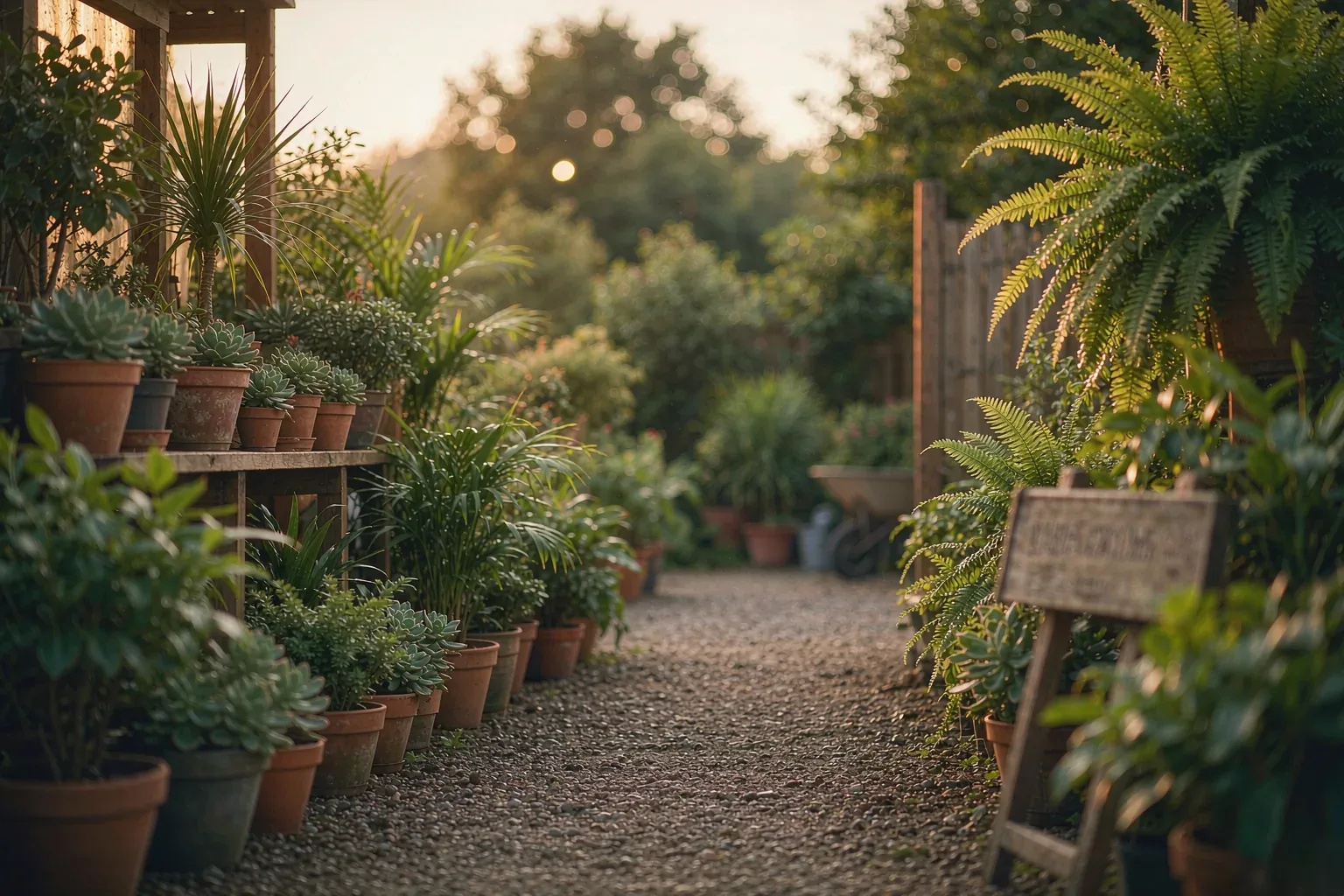
Somewhere around November, most houseplants quietly stop growing. They aren't unhappy — they're resting. The trouble is that our habits don't rest with them, and winter is when well-meaning care does the most damage.
Water much less
A plant in active growth in June might drink every five days. The same plant in December may need water every two or three weeks. Check the soil, not the calendar, and err on the dry side. Cold, wet roots are the fastest route to rot.
Move them closer to the light
Winter light is weak and arrives at a low angle. A plant that thrived a metre from a window in summer may need to be right up against it now. Give the leaves a wipe too — a layer of dust cuts the light they can actually use.
Stop feeding
There's no point giving fertiliser to a plant that isn't growing. Save it until you see new growth returning in spring. Feeding in winter mostly just builds up salts in the soil.
Mind the dry air
- Group plants together to share humidity.
- Keep them away from radiators and draughts.
- A tray of water with pebbles under the pot helps nearby plants.
- Wipe dusty leaves so they can make the most of the light.
Be patient
A little slower, a little duller, a few leaves dropped — all normal. Spring will do most of the repair work. Winter care is mostly about not interfering too enthusiastically.
If you do spot something that worries you, send us a photo. We're here all winter, even if the plants are taking a nap.